

Struggling to boost front-of-house pharmacy sales? Studies show that using data can uncover customer habits and improve business strategies. This blog will guide you on leveraging smart merchandising tactics, store layout hacks, and digital marketing tools.
Stay tuned for tips you can put into action today!
Key Takeaways
- Use customer data to track trends and stock high-demand items, like cold medicine in winter. Tools like AI can predict sales and help manage inventory better.
- Optimize store layouts with end-caps for high-margin or seasonal products. Bright signs and good lighting grab attention fast.
- Bundle complementary items, such as cough drops with tissues, to boost sales. Offer discounts on bundles during checkout or promotions online.
- Loyalty programs turn one-time buyers into regular customers by offering points or exclusive deals based on purchase habits.
- Digital tools like predictive analytics support personalized marketing strategies, increasing sales through customized promotions and smarter restocking plans.
Leverage Data to Understand Customer Behavior
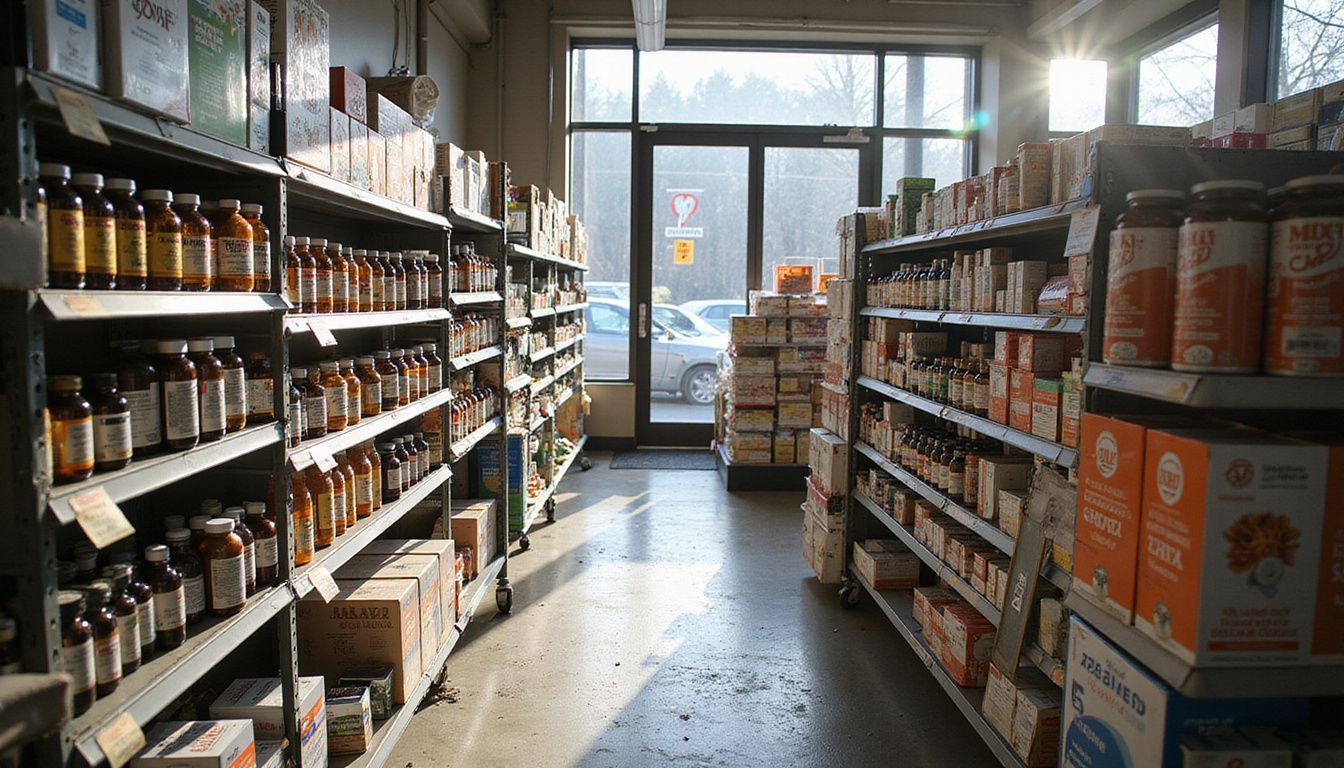
Use real-time usage data to spot trends in customer behavior. For example, if OTC products like vitamins or supplements sell more during winter, stock up early. High-margin items such as skincare or seasonal health products should receive prime shelf placement based on past sales patterns.
Inventory management systems can track slow-moving SKUs and suggest replacements with better-performing options. “Accurate data is a pharmacy’s best friend,” says industry experts at PBA Health.
Pay attention to high-demand times such as Black Friday; adjust displays and promotions accordingly for maximum impact.
Next, let’s optimize the store layout for smarter sales strategies!
Optimize Store Layout for Maximum Impact
A smart layout can guide shoppers to popular items like a map leads to treasure. Small tweaks, like better signs or product placement, can boost sales fast.
Use end-caps and gondola ends effectively
End-caps and gondola ends are prime spots in any pharmacy. They catch customers’ eyes and drive sales for front-of-house products.
- Place high-margin items on end-caps near the cash register. This increases impulse buys while customers wait to check out.
- Use seasonal merchandising to spotlight timely products. For example, display cold medicines during winter or sunscreen in summer.
- Highlight high-demand items like vitamins or daily essentials at eye level on gondola ends. This placement makes them hard to miss.
- Add clear, bold signage on end-caps to grab attention quickly. Mention discounts, promotions, or product benefits to spark interest.
- Pair complementary products nearby for cross-merchandising. Put toothpaste next to toothbrushes or snacks beside drinks for convenience.
- Rotate displays regularly to keep the layout fresh and engaging for repeat customers. This creates curiosity and encourages exploration of new items.
- Maximize lighting around these areas for better visibility. Bright displays naturally draw shoppers closer without extra effort from staff.
Highlight high-demand and seasonal products
Spotlight high-demand and seasonal products near the store entrance. This grabs attention, boosts foot traffic, and encourages impulse buying. For instance, stock flu medicine during winter or sunscreen in summer.
Monitor trends to replace slow-moving items with fast-selling inventory.
Pharmacy inventory management tools can help track these changes easily. Keep shelves fresh by rotating popular FMCG goods regularly. Highlighting trending products creates excitement and supports sales optimization efforts effectively.
_Move to bundled offers next!_
Implement Upselling and Cross-Merchandising Techniques
Boosting front-end sales isn’t magic—it’s smart strategy. Pair items shoppers often buy together, and watch your sales stack up!
Create bundled offers for complementary products
Bundled offers can boost sales and improve patient satisfaction. Pairing complementary items encourages customers to buy more during a single visit.
- Group related products together on shelves. For example, place cough drops with tissues or vitamins with supplements for easy pairing.
- Offer discounts for bundled products at checkout. Pharmacy staff should suggest deals like “Buy two pain relievers and get a heating pad discounted.”
- Promote bundles during patient counseling sessions. A pharmacist might recommend specific products as a package to address health concerns, such as allergy meds and nasal sprays.
- Highlight seasonal bundles in-store. Create packages like sunscreen, aloe vera gel, and insect repellent during summer months to fit customer needs.
- Use signs to grab attention near bundles. Bold text like “Save on Wellness Kits!” can make offers stand out and appeal to shoppers.
- Include bundle details on social media platforms too. Post deals on Instagram or Facebook stories so customers know what’s available before visiting the pharmacy.
- Partner with vendors for bulk perks or exclusive combos. Vendors could supply trial sizes of new items that pair well with existing stock for added value.
Showcase product pairings with strategic placement
Place complementary items together to boost sales. For example, tissues next to cold medicine or lip balm near skincare products. These pairings make shopping easier and encourage impulse buys.
Use high-traffic spots like end-caps for these combinations. Eye-level shelves work best for catching attention. Add bright signage to highlight deals or explain the product connections.
Well-trained staff can also guide customers toward these smart pairings during their visits.
Utilize Digital Tools for Targeted Marketing
Use smart tech to reach customers better. Study what shoppers buy, then send them deals they can’t resist.
Incorporate AI and predictive analytics
AI can track customer buying trends in real-time. It predicts which products will sell based on past purchases, helping pharmacies stock smarter. For example, automated systems set minimum and maximum stock levels using usage patterns and days of supply.
This reduces waste and ensures shelves stay full with high-demand items.
Predictive analytics takes guesswork out of pharmacy management. Tools offer dashboards to spot shrinking inventory or rising demand for seasonal products like cold medicine in winter.
Integrated inventory management connects purchase data with stock counts for smooth restocking. These strategies lead to more targeted marketing, boosting front-of-house sales quickly.
Next comes using customer purchase data for personalized promotions!
Use customer purchase data for personalized promotions
Analyzing customer purchase data helps create precise pharmacy marketing strategies. Loyalty programs like Ordergroove collect this data, offering insights into buying habits. For instance, if a customer often buys vitamins, send them discounts on similar products.
Seasonal items can also be promoted with these patterns.
Pharmacy staff can use this information during in-store interactions. Suggesting high-impact pharmacy items based on past purchases improves the customer experience. A shopper who frequently buys pain relief patches may appreciate recommendations for complementary products nearby.
These simple practices boost sales and build stronger connections with your community pharmacy shoppers!
Establish a Loyalty Program to Drive Repeat Business
A loyalty program can transform one-time shoppers into regular customers. Offering incentives, such as discounts or exclusive deals, gives buyers a reason to return. For instance, you could award points for every purchase that result in special savings later.
Discounts on commonly purchased items like vitamins or skincare products can foster trust and satisfaction. Customized suggestions based on purchase history make customers feel appreciated and increase sales without additional effort.
These programs also help collect valuable data about shopper habits. You’ll discover what they prefer most and the timing of their purchases. Leverage this information for smarter promotional strategies focused on frequent buyers.
Special perks like early access to seasonal offers keep your pharmacy ahead of competitors such as Dis-Chem in South Africa. A well-structured loyalty program strengthens the connection with your customers while increasing front-of-house pharmacy sales with ease over time!
Conclusion
Data-driven merchandising can boost your pharmacy’s front-end sales. Use customer data, smart layouts, and cross-merchandising to attract attention and increase purchases. Digital tools and loyalty programs keep customers coming back.
Small changes make a big difference. Start today to see better results tomorrow!
FAQs
1. What is data-driven merchandising in independent pharmacies?
Data-driven merchandising uses consumer behavior and market research to improve front-end sales, focusing on patient service and customer loyalty.
2. How can visual merchandising impact pharmacy sales?
Visual merchandising creates appealing product displays at the front end, making it easier for customers to find items and boosting cross-merchandising opportunities.
3. Why is a perpetual inventory system important for pharmacies?
A perpetual inventory system tracks true inventory in real time, helping businesses avoid overstocking or running out of essential products.
4. Can social media marketing help increase front-of-house sales?
Yes, social media marketing drives clicks by showcasing deals or promotions while building stronger connections with customers online.
5. What role does business strategy play in maximizing pharmacy sales?
A solid business strategy combines tools like SureCost with insights from market research to align inventory and services with customer needs effectively.