Taking medicine can feel like a confusing chore. Did you know pharmacists do much more than fill prescriptions? They help with medication management, patient education, and improving health outcomes.
This blog will show how proactive pharmacy consultations make life easier and safer for patients. Keep reading to learn why your pharmacist might be your best ally in healthcare!
Key Takeaways
- Proactive pharmacy consultations improve health by addressing medication issues, offering personalized advice, and using tools like smart pillboxes to track adherence.
- Technology like telehealth enables virtual consultations, making care accessible for patients with mobility or travel limits.
- Advanced medication systems use data analytics to quickly identify drug interactions, reduce errors, and improve safety in treatment plans.
- Cost-effective solutions like free medications save patients and employers money; one school saved nearly $2 million through focused programs.
- Pharmacists use digital tools to monitor patient progress remotely, adjusting treatments more quickly for better results and fewer side effects.
Expanding the Role of Pharmacists in Patient Care

Pharmacists are stepping up, playing bigger roles in improving patient care. They now work closely with patients to address medication challenges and health goals head-on.
Personalized medication counseling
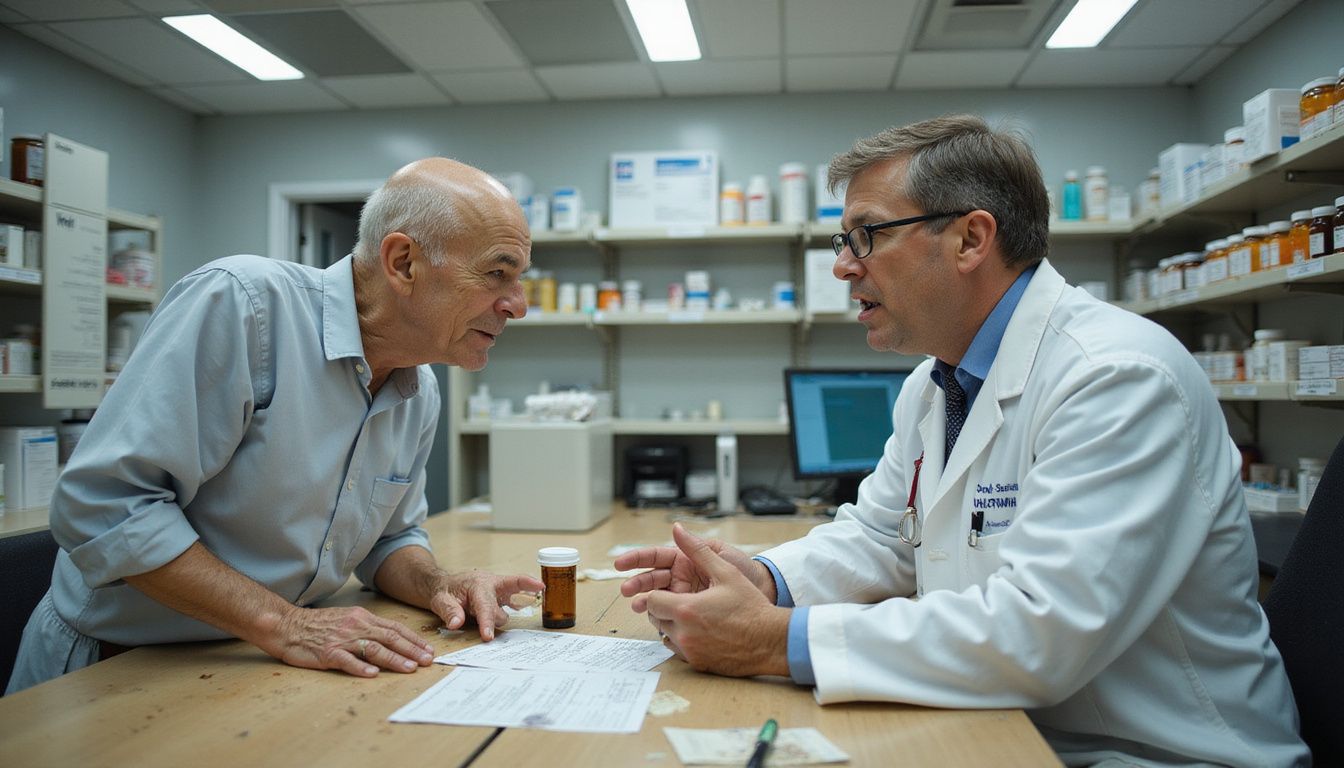
Personalized medication counseling helps patients understand their prescriptions better. Pharmacy Advocates identify potential issues, like drug interactions or side effects, during one-on-one consultations.
They adjust therapies to fit each patient’s health needs and lifestyle. This approach strengthens trust and boosts communication between pharmacists and patients.
Such counseling ensures proper use of medications for chronic care management or controlled medications like pregabalin. By addressing concerns early, it reduces the risk of adverse drug events.
Next comes proactive medication adherence support, which ties closely to this personalized service.
Proactive medication adherence support
Smart systems now automatically track medication use. These tools observe when pills are taken, helping reduce missed doses. Remote monitoring provides continuous data on adherence and side effects.
Wearable devices also send real-time health updates to pharmacists, notifying them if vital signs change unexpectedly.
Research shows remote tracking captures more details than in-person visits. It reports trends in adherence and therapeutic outcomes clearly. For example, a patient using a connected pillbox may avoid dangerous lapses in therapy with daily reminders or warnings for delayed doses.
This strengthens safety in pharmacy practice while improving patient engagement and care coordination.
Technology doesn’t replace the pharmacist’s role; it enhances their ability to promote healthier lives.
Leveraging Technology for Enhanced Consultations
Pharmacies are now using smart tech to bring care closer to patients. These tools simplify how pharmacists connect with people and track treatments.
Virtual pharmacy consultations
Telehealth makes it easier for patients to talk to pharmacists. Video consultations help people get medication counseling even if they have mobility issues or live far away. Family members can also join these discussions, making care decisions more coordinated and informed.
Virtual setups reduce infection risks since visits are online. Pharmacists use real-time video tools to explain how medications work, show schedules, and share visuals of medicines.
Patients outside health centers benefit from this flexible pharmacy strategy too.
Advanced medication management systems
Advanced medication management systems are revolutionizing how pharmacists operate. These tools help improve patient safety and reduce medication errors.
- Automated systems integrate inventory control and dispensing. This reduces human error, making the process smoother and more accurate.
- Pharmacists rely on biometric security to protect medications. Only authorized staff can access supplies, preventing misuse.
- Clinical decision support flags potential issues instantly. For example, it alerts pharmacists about drug interactions before prescription fulfillment.
- Intelligent systems track every transaction with audit trails. This ensures accountability and improves operational transparency in community pharmacy settings.
- Alerts enable pharmacists to take proactive steps fast, improving patient outcomes by addressing risks early during long-term care.
- Data analytics from these systems optimize treatments over time, helping healthcare professionals evaluate trends for population health analytics.
- Virtual consultations paired with these tools enhance remote patient care, especially within employer health plans requiring cost-effective solutions.
- Advanced primary care benefits from predictive modeling that adjusts based on individual needs like chronic conditions or medication adherence patterns.
- Secure technology paired with clinical pharmacy expertise bridges gaps in public health strategies while avoiding unnecessary prescription costs.
- Patient progress can be tracked through electronic health records linked directly to the automated system, ensuring a streamlined healthcare system focused on better outcomes for all stakeholders involved
Data-Driven Insights for Improved Outcomes
Pharmacists can use patient data to make smarter treatment decisions. Digital tools help track progress, spot issues early, and fine-tune care plans.
Utilizing analytics to optimize treatments
Utilizing data analytics can transform patient care into a more precise, efficient process. By integrating technology and detailed analysis, pharmacies can fine-tune treatments to improve outcomes significantly. Here’s how data analytics optimizes medication therapies:
| Key Aspect | Details |
|---|---|
| Advanced Reporting Systems | These systems analyze medication use patterns, identifying areas to cut costs without compromising care quality. They also help track clinical outcomes effectively. |
| Population Health Analytics | Facilities can study trends across groups to pinpoint preventive strategies that could benefit many patients at once. This approach refines management at a population level. |
| Predictive Modeling | Machine learning crunches past data to forecast potential health issues. For example, early warnings about adverse drug reactions allow for timely intervention. |
| Patient-Specific Data | Micro-level insights help tailor treatment plans to individual needs. This reduces the trial-and-error phase, improving patient satisfaction. |
| Improved Medication Adherence | Data-driven reminders and insights into missed doses help address non-adherence, boosting therapeutic effectiveness. |
Better analytics lead to actionable insights, setting the stage for proactive patient communication. This naturally takes us to virtual consultations, which bridge the gap between pharmacists and patients.
Tracking patient progress through digital tools
Digital tools now track patient progress with ease. Advanced software can analyze thousands of data points quickly. These systems spot drug interactions, duplications, and therapy gaps in seconds.
Real-time alerts from clinical decision support systems improve medication safety.
Electronic health records combine data for a full patient view. Pharmacists use this info to adjust treatments faster and smarter. Remote patient monitoring adds extra layers of care by syncing with these platforms.
This leads smoothly into understanding the key benefits of proactive pharmacy consultations.
Key Benefits of Proactive Pharmacy Consultations
Patients see better results with the right guidance and care, plain and simple. Proactive pharmacists become trusted partners, helping solve health puzzles before they grow.
Improved health outcomes
Pharmacists play a key role in health technology. Proactive Rx uses Connected Care Management, combining chronic care management with smart devices. These tools track health stats like blood pressure and glucose levels remotely.
Such tracking improves disease control and alerts doctors early to issues, cutting down on severe cases or hospital visits.
Using analytics, pharmacists adjust treatments for better results. Data helps spot patterns and ensure medication safety while reducing side effects. Medication therapy management becomes smoother with insights from advanced tools like automated medication systems.
This approach doesn’t just treat symptoms but tackles root causes effectively, paving the way into cost-effective patient care solutions next!
Cost-effective patient care solutions
Cost-effective care is the cornerstone of sustainable health solutions. By focusing on affordability and accessibility, proactive pharmacy programs like Proactive Rx can revolutionize healthcare. Here’s how cost-effective solutions are achieved:
| Key Strategies | Details |
|---|---|
| Free Medication Access | Eligible patients can access medications at no cost, saving them and their employers significant amounts. For instance, high-cost medications see savings of up to 50% through the Proactive Advantage program. |
| Reduced Rx Costs | The focus shifts from high rebates to real savings for patients and employers. Proactive Rx cuts costs on brand-name drugs and specialty medications by offering innovative pricing strategies. |
| Collaboration with Health Teams | Pharmacy Advocates work closely with Health Center teams to enhance patient support, making care more effective and reducing redundant expenses. |
| Case Study Savings | A large school trust discovered nearly $2 million in potential pharmacy savings. This example showcases how targeted programs can transform medication affordability and improve outcomes. |
| Seamless Onsite Pharmacy Access | Onsite Health Centers simplify medication access, reducing logistical barriers and cutting unnecessary costs for both patients and providers. |
Affordable care isn’t just about cutting corners, it’s about smarter solutions. Each strategy prioritizes patient outcomes while reducing wasteful spending.
Conclusion
Pharmacists are stepping up, doing more than just handing out pills. They’re shaping better health outcomes with smart consultations and tech tools. By focusing on each patient’s needs, they boost safety and success in treatments.
These proactive steps save money and improve lives, one prescription at a time. It’s clear—pharmacy care is evolving for the better!
FAQs
1. What is the role of proactive pharmacy consultations in patient care?
Proactive pharmacy consultations help improve medication safety, support clinical judgment, and enhance patient counseling to achieve better health outcomes.
2. How do automated medication management systems assist pharmacists?
These systems streamline tasks like tracking prescriptions and flagging potential issues, allowing pharmacists to focus more on clinical pharmacy practices and direct patient care.
3. Why is pharmaceutical education important for improving outcomes?
Pharmaceutical education equips pharmacists with knowledge about medications, clinical practices, and effective communication skills for counseling patients and collaborating with physicians.
4. Can proactive MD involvement benefit pharmacies?
Yes, when physicians work closely with pharmacists through proactive measures, it strengthens collaboration in managing treatments and addressing patient concerns effectively.
5. How does patient counseling impact long-term health results?
Patient counseling ensures individuals understand their medications fully; this reduces errors while promoting adherence for safer, healthier lives over time.